As the UK prepares for the third heatwave of the summer, the implications of extreme heat on wildlife is becoming increasingly evident.
With the Met Office predicting temperatures to rise to 45°C by 2056, it’s clear that the country’s climate is becoming warmer, with drier summers and wetter winters. The frequency and intensity of storms, droughts, and heatwaves are also increasing.
During a heatwave, we can stay cool by picking up a fan, taking a cold shower, or switching on the air conditioning. For our local wildlife, unfortunately, it isn’t that simple.
The UK is one of the most nature-depleted countries in the world, with many species in decline. Over the past 500 years, Britain has lost approximately 90% of its wetlands, making the remaining wetlands more important for climate resilience and biodiversity. With rising UK temperatures and species already at risk, our wildlife needs our help more than ever.
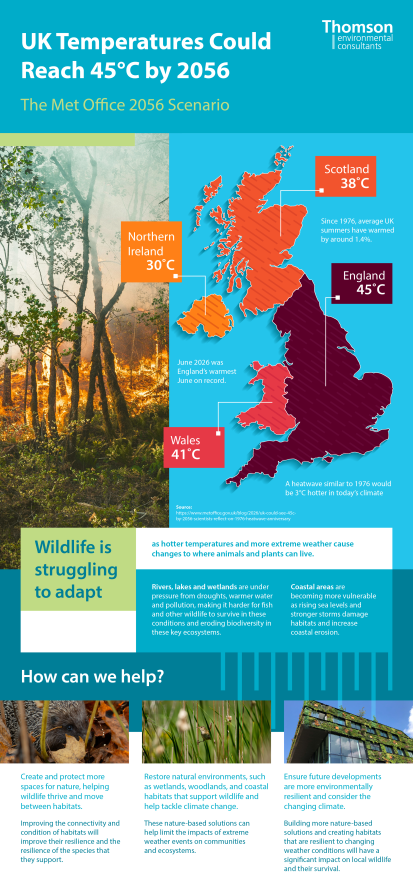
Impacts of extreme heat on wildlife
Our wildlife is struggling to adapt to the hotter temperatures and more extreme weather. These sudden spikes in heat and rainfall have impacted animals who are simply not used to these conditions.
Rivers and lakes are under pressure from droughts and pollution, impacting fish and aquatic invertebrates, as eroding biodiversity threatens their survival. Coastal areas are becoming increasingly vulnerable as rising sea levels and stronger storms damage habitats through increased coastal erosion.The recent State of Nature Report highlights a significant decline in the UK’s wildlife since 1970:
- Species abundance in the UK has declined by an average of 19%.
- Nearly one in six species is threatened with extinction in Britain.
- 43% of bird species, 31% of amphibians and reptiles, and 26% of terrestrial mammals are at risk.
- Pollinators (including bees, hoverflies and moths) have declined by an average of 18%.
- More than half of flowering plant species (54%) have declined in distribution across Britain.
Birds battling temperature regulation

Birds have a higher core body temperature than mammals and struggle to regulate it, as they don’t have sweat glands. You may have noticed birds opening their beaks during periods of hot weather to try to lose some heat.
In hot weather, birds lose a lot of water through respiration and in their droppings. With natural water sources drying up, they are at risk of becoming severely dehydrated. Much like humans, birds conserve energy by avoiding the midday sun, which limits their ability to feed. This lack of essential nutrients can result in higher mortality rates, particularly among young animals particularly those that have recently fledged.
Hedgehogs in the heat
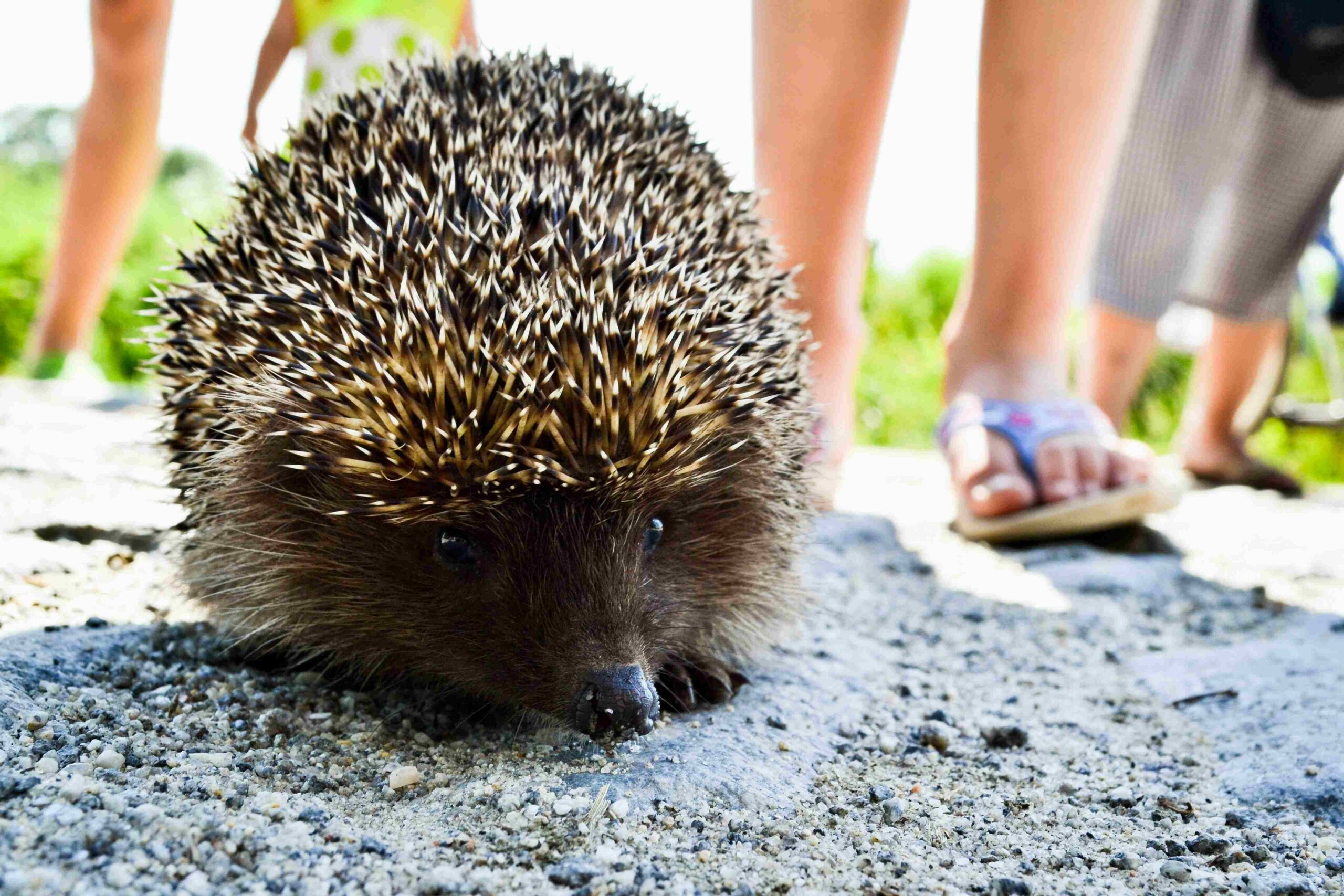
Heatwaves lead to droughts, which can be devastating for hedgehogs, badgers, and other mammals seeking hydration and access to invertebrates for food. It becomes increasingly difficult to dig their claws into dry land to unearth worms, which will also be deeper in the soil seeking moisture. This can be especially dangerous for their young, who are either still feeding from their mothers or have recently left their family group. These animals face the risk of malnutrition and increased mortality.
Aquatic ecosystems starved of water

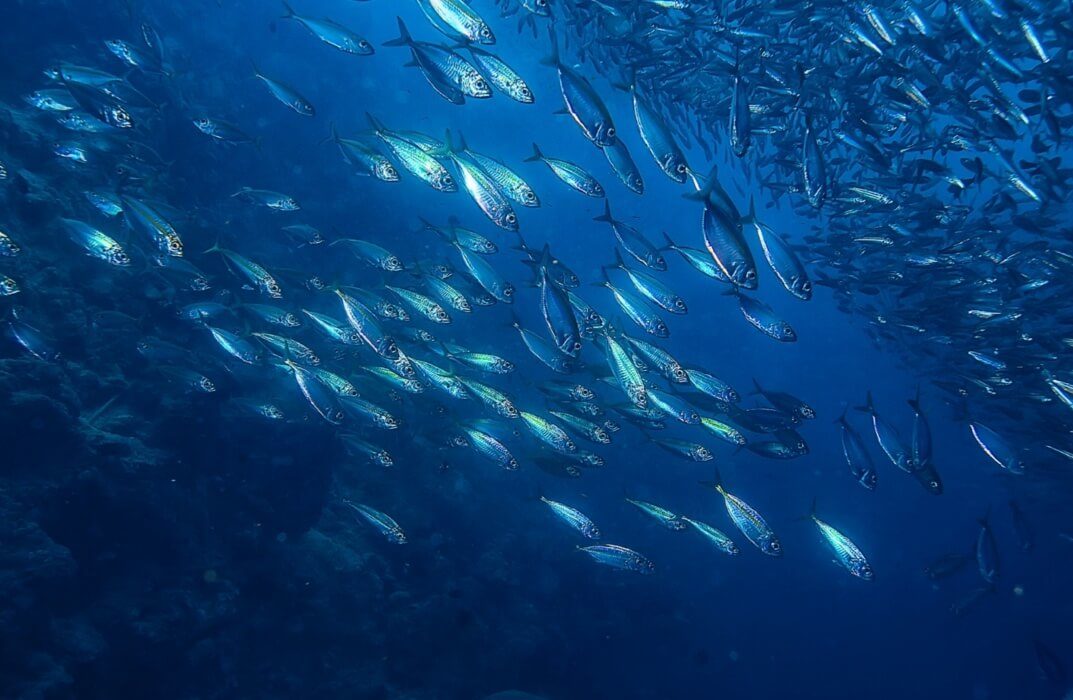
Heatwaves trigger spikes in water temperature that impact fish, aquatic invertebrates, and amphibians by lowering oxygen levels, resulting in higher mortality rates. Reduced water levels caused by intense heat can dry up rivers and lakes. In extreme cases, these areas may dry up completely, stranding aquatic populations helpless without the habitat needed for their survival.
Bees keeping their cool
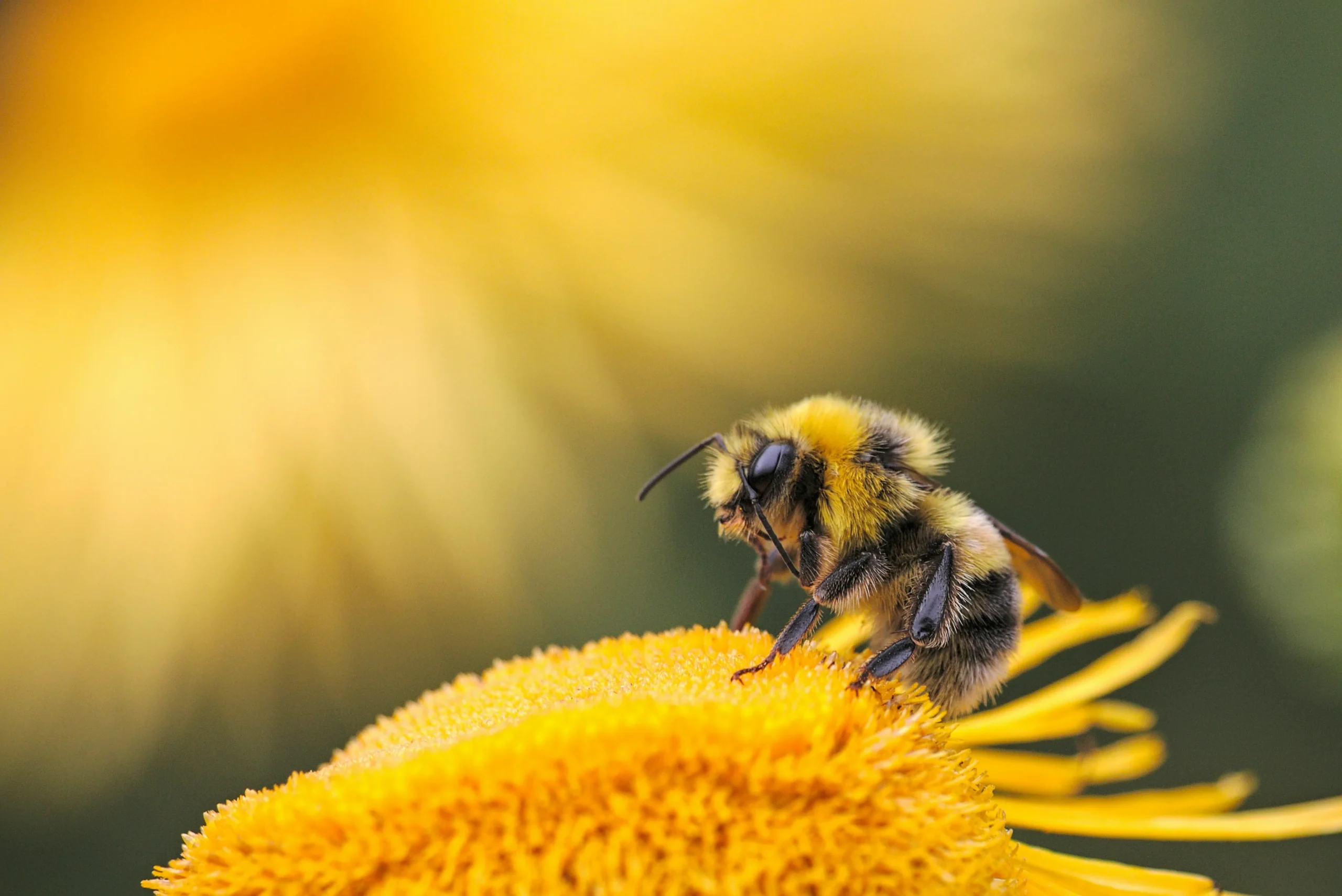
Despite common preconceptions that bees thrive in the heat, they can be badly affected by heatwaves. They can quickly overheat in extreme weather and struggle to leave their nest or hive to get food. However, staying in their hive is also a challenge, as extreme heat dries out their homes, increasing mortality by 130% and significantly delaying growth. Perhaps the biggest “sting” is the inability to locate nectar and pollen as heatwaves dry out plants and flowers. This is where the timing crop flowering, often earlier due to warmer weather, has become misaligned to peak periods for bee activity.
What does the future hold?
With an increase in temperature over three consecutive years, and this figure predicted to rise in the future, it’s evident that more needs to be done to protect our wildlife. Some species may disappear from areas where they live in order to survive, leaving behind specialist species and threatening current food chains.
However, it’s not just wildlife that will feel the effects of climate change.. Nature may be less equipped to protect us from flooding, poor water quality, and the effects of extreme weather. This will leave humans more vulnerable to weather events with fewer natural resources in place to support communities. This could impact our quality of life, including food production, water supplies, public health, and the places we enjoy spending time outdoors. By supporting nature to thrive today, we are protecting our homes and communities in the future.
What can we do to help animals in the heat?
Overcoming climate change and supporting wildlife may seem like an uphill battle, but collectively we can make a difference. Organisations, councils, and businesses can take actionable steps to combat climate change by creating more spaces in communities for animals to thrive, restoring natural environments, and ensuring that future developments are more environmentally resilient. Building in more nature-based solutions and creating habitats that are resilient to changing weather conditions will have a significant impact on local wildlife and their survival.
The public can also help protect wildlife by following these simple steps:
- Leave out some water. You don’t need a bird bath to provide water (if you do, though, please top it up). Putting out shallow dishes of water on the ground with stones in for insects like bees to land on will be a relief for animals looking to drink, bathe, or cool down.
- Create shade in your garden. Logs, rockeries, trees, and tall grass provide cover from the midday sun.
- Scatter food in your garden. Keep bird feeders topped up and scatter seeds and fruit on the floor for birds and other animals. Nectaris a lifeline for insects, so keep your plants watered and healthy.
- Grow nectar-rich plants. With bees suffering from a lack of pollen and nectar during heatwaves, opting for early bloomers like blackthorn, red clover, and dog rose provides nectar when it’s needed most.
- Ditch disposable barbecues. Nature reserves are suffering from wildfires due to rising temperatures; disposable barbecues only exacerbate the problem. Wildfires have severe consequences for wildlife and their habitats, so stick to traditional summer barbecues in your garden.
How do Thomson’s services support climate change?
Climate change and biodiversity are interconnected challenges that should be addressed together through practical, evidence-based environmental solutions that enable both development and nature recovery.
Climate change is already affecting UK wildlife through habitat loss, changing species distributions, droughts, flooding and extreme weather. We believe the most effective response combines robust ecological evidence with practical action, including habitat restoration, Biodiversity Net Gain, nature-based solutions and climate-resilient development. By integrating biodiversity and climate objectives, organisations can reduce risk, meet regulatory requirements and create lasting environmental value.
If you would like to discuss how Thomson can help your next project meet environmental standards, please contact our professionals here.