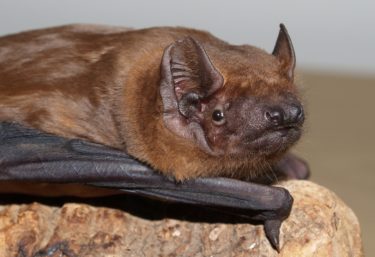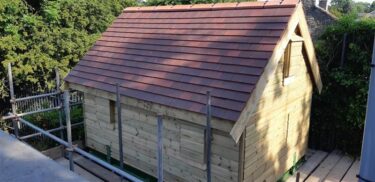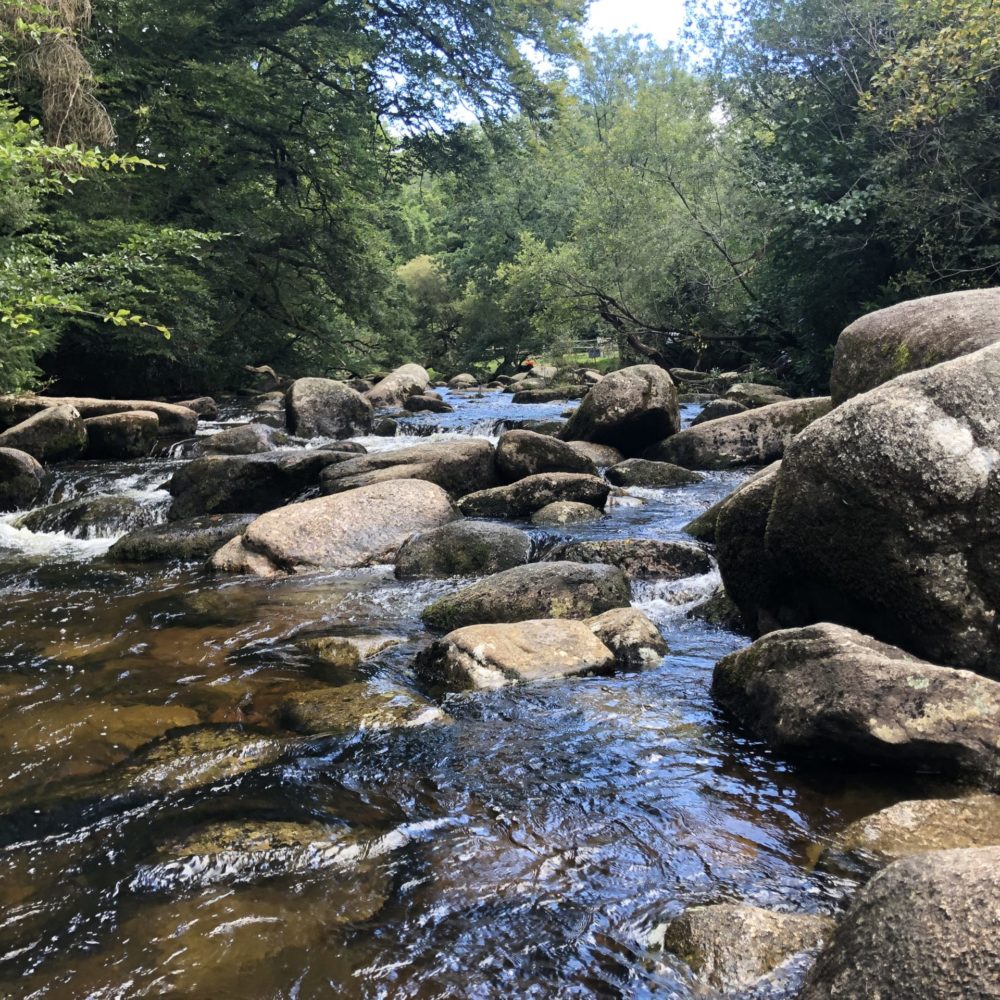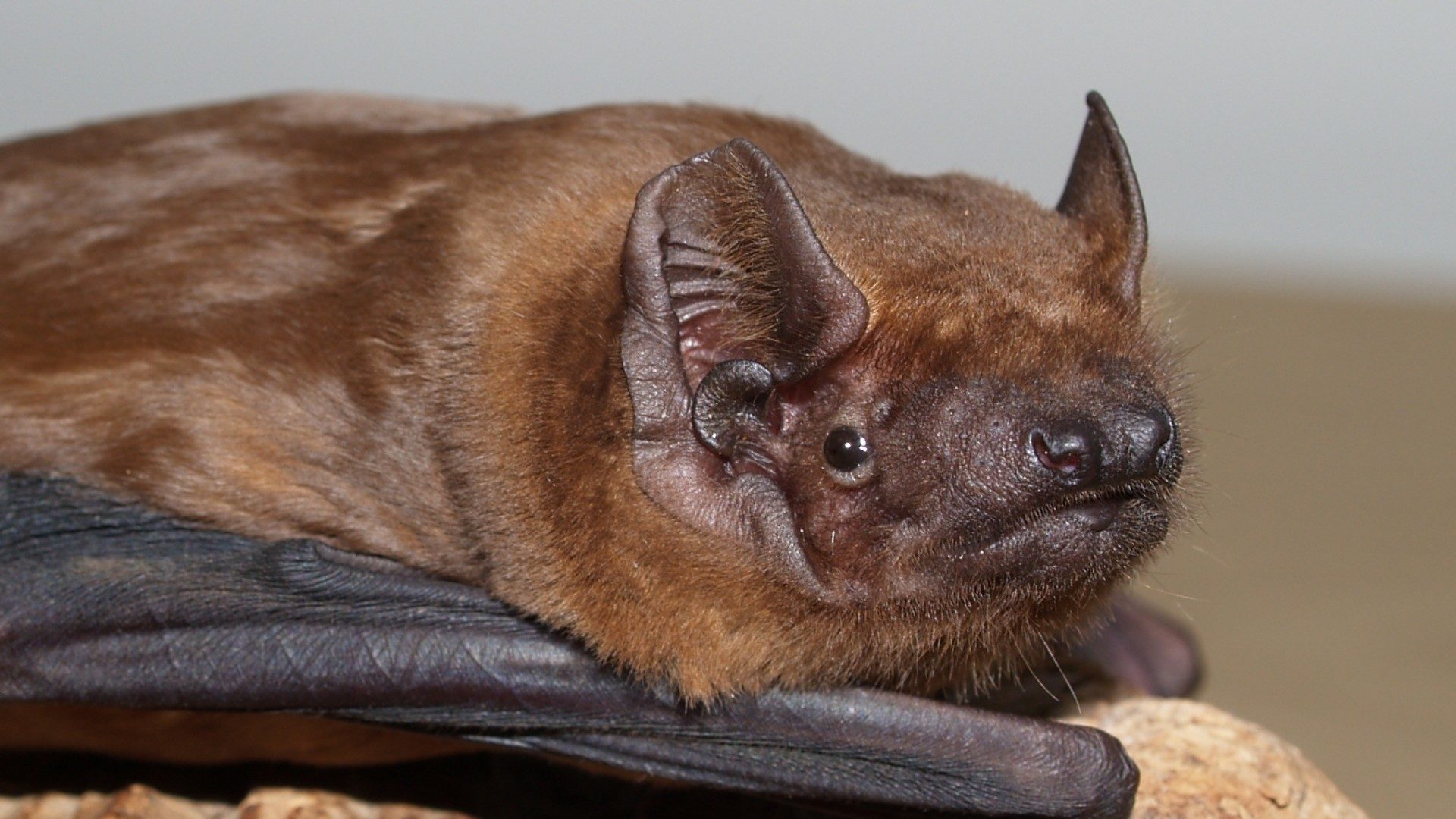
If bats are likely to be present in a structure, tree, feature, site, or area under construction and may be affected by a proposed activity, then ecological surveys focussed on bats are required. This is to determine their presence or likely absence, to identify the species, and how and when they are using the areas that could be impacted by the development.
Our expertise
Our bat surveys and mitigation strategies are guided by best practice, including Bat Surveys for Professional Ecologists: Good Practice Guidelines (4th Edition), (Collins, 2023) and Natural England Standing Advice, and our surveyors meet the competencies set out by the Chartered Institute of Ecology and Environmental Management (CIEEM).
Where bats or their roosts may be affected by a development, our specialists can provide advice on suitable mitigation options and guidance on minimising wider ecological risk. To allow works to proceed lawfully, we can apply for a protected species licence for bats on your behalf. We are adept at using innovative approaches and customising projects to produce the most time and cost-effective solutions. Let us know if your development plans are impacted by the potential of bats.
The Thomson team hold industry-recognised accreditations and certifications. You can find out more about values and certifications here. Reach out to our friendly team for more information on how we can help.
Will bats and their habitat affect my development plans?
All bats and their roosts are fully protected by UK law, meaning they are afforded strict protection from deliberate killing, injuring, or disturbing. Additionally, their resting places are protected from damage and destruction, including when not in use, under the Habitats and Species Regulations 2017.
Identifying if the land you propose to develop has the potential to support the species starts with a specialist survey. Read more about surveys for protected species and developments here.
Bat survey services
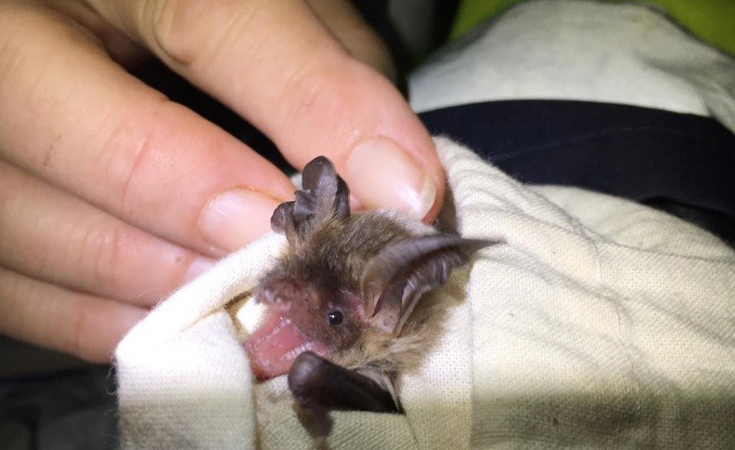
Depending on what stage the development is at in the planning process, the first thing that is usually carried out is a Preliminary Ecological Appraisal (PEA). This method is to rapidly assess and map habitats on site, and evaluate habitats for their potential to support protected species. This would include highlighting areas that required further bat surveys effort.
Bat surveys are conducted by experienced ecologists, often requiring the lead surveyor to hold a licence for survey work. If there is potential for bat roosts on a site, the following surveys may be required:
- Preliminary Roost Assessment (PRA)
- Ground Level Tree Assessment (GLTA)
- Potential Roost Feature (PRF) Inspections (aka Tree Climbing Survey)
- Emergence/ Return to Roost Survey
- Hibernation surveys
- Advanced bat survey techniques including activity transects and netting and tracking surveys
Read our guide to conducting bat surveys.
Bat PRA and GLTA surveys
A PRA is conducted for buildings, and a GLTA is conducted for trees, both of which will help to determine their level of potential to support roosting bats. These preliminary surveys require in-depth knowledge of bat ecology and roosting preference to determine how bats might use a tree or structure throughout the year, and whether further survey is needed.
On occasions, this may involve the use of high-powered torches and endoscopes to investigate potential roosting features. Both these techniques can disturb roosting bats and therefore are required to be carried out by a licensed bat worker.
PRF Inspections (Bat tree climbing surveys)
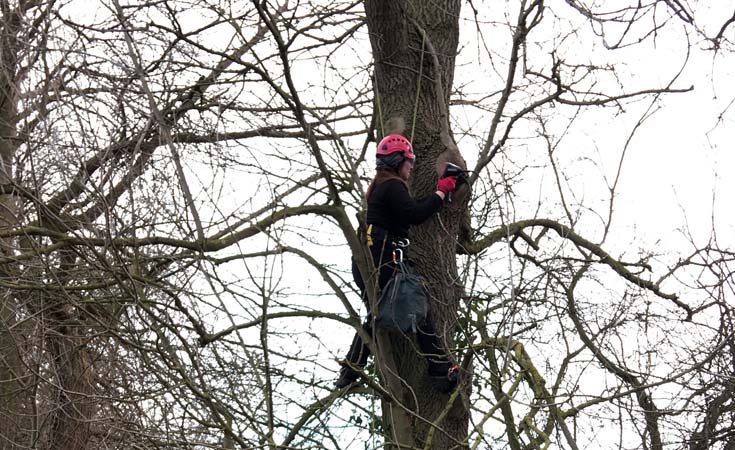
Tree Climbing Surveys are useful to inspect the inside of a Potential Roost Feature (PRF) on a tree identified from the ground. The potential assigned from the ground is often re-evaluated upon inspection, and individual features can have their potential increased.
However, since a high number of features that look promising from the ground lack a suitable internal space for a roosting bat, Tree Climbing Surveys could save on costs by reducing the number of further climbing inspections or Emergence/ Return to Roost Surveys required, if there are many trees being affected by a development. Read our full guide to tree climbing surveys here.
Bat emergence/return to roost surveys
Emergence/ Return to Roost surveys are conducted to confirm the presence or likely absence of roosting bats on a development. For each PRF identified on buildings or trees, either one, two, or three of these surveys are required, depending on the potential the feature was assigned in the PRA or GLTA. The surveys are also weather-dependent and should be reasonably spread from May to September..
Activity transects and static monitoring
Activity Transects involve walking the site at dusk and dawn to record all bat activity. For larger developments, it may be necessary to gauge the impact of the project on bat foraging habitat and commuting corridors.
Static Monitoring involves placing devices with microphones for longer periods out on important linear structures to detect bats, such as hedgerows and tree lines. Both surveys are designed to identify important areas of the site so that suitable mitigation can be implemented to address any potential impacts to bats. You can visit our ecological mitigation page here to find out more.
Bat hibernation surveys
Hibernating bats require very specific conditions to keep cool and hydrated during the winter and are also at much higher risk if disturbed at this time of the year. When suitable hibernation conditions are flagged up during a PRA, a hibernation survey may be recommended.
Two visits over the period of January through to February will be scheduled to investigate features in a tree or structure for the presence of hibernating bats. This may also involve the use of static monitoring devices, which can be placed in building voids or underground cellars to record activity over the course of the hibernating season.
Advanced bat surveys
Where particularly rare bat species may be roosting and where the impacts of development may be severe, advanced licensed bat survey techniques may be used to record more in-depth information on bat species diversity and their use of the site.
These techniques involve capturing bats in flight using harp traps and mist nets to identify them by hand, as well as potentially radio-tagging them and tracking their activity and movement through important habitats, such as mature and ancient woodland.
Since these survey techniques are carried out with a much higher level of risk to the bats’ well-being, they’re usually only used when the data needed for the development goes beyond what other less invasive techniques can record and are only possible with the application of a specific project licence from Natural England. Find out more about our environmental statement and bat surveys for Dorchester Group here.
Talk to our friendly team to find out more about advanced bat surveys.
“Over the last 5 weeks, Thomson’s Project Manager has been a pleasure to work alongside and delivered a bat survey in the time scale that was promised. The site team was great, worked efficiently, and to a great standard.” Operations Manager at VolkerHighways.
When can bat surveys take place?
Different types of bat surveys can be carried throughout theyear.Bats are most likely to be seen or heard in roofs during the summer or autumn, or seen in subterranean areas during the winter when in hibernation. If evidence of bat use is found or a potential to support roosting bats is identified, then further surveys are required to identify the species and type of roost.
During the late spring to early Autumn, Roosts are often assessed by dusk emergence surveys, often in conjunction with activity surveys using bat detectors to record foraging and commuting activity and the use of the wider site by bats.
These surveys can be undertaken from May to August, with September being a sub-optimal month. Depending on the level of potential assigned to a feature, multiple surveys may be required, to be undertaken at least one month apart.
Download our ‘Species Survey and Mitigation Planner’ for a month-by-month guide to the survey seasons for various species in the UK. You can also visit our ecology survey calendar page here.
Licensing requirements for bats
If a bat roost is going to be affected by a project, developers will need to obtain a European Protected Species Licence (EPSL) to potentially disturb or destroy a roost, translocate, or exclude roosting bats. This application will describe the details of the roost and the steps that will be taken to provide adequate mitigation.
The Wildlife and Countryside Act 1981 makes it an offence to obstruct access to roosts/resting places, as well as protecting the animal from disturbance while it uses this place or structure. For any impacts on bats caused by a development, a license from Natural England must be obtained in order to contravene these laws. One particular project that Thomson has supported in helping developers gain a bat EPSL is for Basing House, Hampshire.
Explore our recent projects here to find out more about our work.
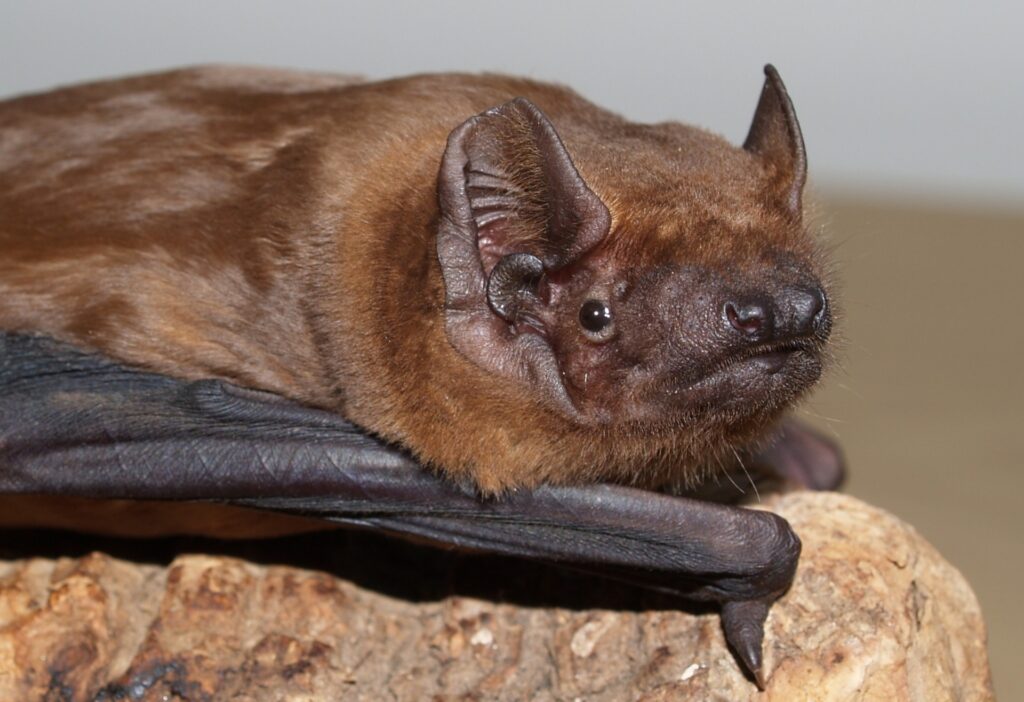
Bat mitigation services
Once surveys have been conducted to determine the presence of bats on site, and a license obtained, mitigation measures can be set in place to avoid and/or reduce the developmental impact.
This may include the creation of alternate bat roosting sites to replace excluded or destroyed roosts. Bat boxes can be fitted to replace smaller roosting sites; however, for more complex situations, bat roosts can be integrated into the fabric of proposed built structures, or bat houses can be erected to replicate specific roosting conditions. When bat habitat is being lost or changed, compensatory features and habitat can be created to encourage foraging and commuting bats. This could be, for example, the planting of new hedgerows and tree lines, or ‘dark corridors’ that exclude light over sections of a site.
Lighting can be a sensitive element for bats, and extensive research and work have gone into the development and implementation of bat-friendly lighting schemes. This involves timed lighting to avoid the most sensitive times of night for bats; light that emits less disturbing wavelengths, and hooded lamps to reduce light spill.
Reach out to our experts today
Do you need expert advice or a bat survey carried out for your project? Arrange a bat survey or a preliminary ecological appraisal with us today. Get in touch with our friendly team.
Frequently asked questions
Who can carry out a bat survey?
To carry out some types of bat survey, you need to have a bat licence. Our experts have decades of experience in carrying out bat surveys and mitigation, and you can find out more about our work here.
Why do you need a bat survey?
Bat surveys are necessary if bats are using a structure or tree that could be impacted by works. You can reach out to us today if you are unsure whether you need a bat survey for your project.
What is a bat scoping survey?
A bat scoping survey (sometimes known as a daytime bat walkover) is conducted to a site for the potential to support bats. It can involve an internal and external inspection of structures and trees.
How much is a bat survey?
The cost of your bat survey depends on the complexity of the site, any required follow-up work, and the type of survey required. You can reach out to our experienced ecologists for a quote.
Which locations are you likely to find bats roosting?
Seventeen resident species of bat can be found in the UK, all of which are nocturnal, spending the day resting in roosts before emerging around dusk to hunt. They roost in a range of locations, including buildings, bridges, caves, and trees, with some species now showing a preference for man-made structures.
Useful resources
Guide to ecological impact assessments
The law, benefits, and techniques for conducting bat surveys
Protected species and developments
Winter bird surveys methodology and benefits expla
Bats a
-
![Jonathan Reeves - Thomson Environmental Consultants]() Cardiff Regional Office Manager & Associate Director of Terrestrial EcologyWhat qualifications do you have? BSc (Hons) Environmental...
Cardiff Regional Office Manager & Associate Director of Terrestrial EcologyWhat qualifications do you have? BSc (Hons) Environmental...